Showing posts with label Ido. Show all posts

New Ido-English-Ido dictionary online

Tuesday, November 19, 2013

This dictionary was recently created by a new idist named Rachel Morris, and it's great. For me a good online dictionary has two aspects: speed and depth. This dictionary uses the content from the Dyer dictionary so it already has the latter. As for speed, so far I've never seen it take any longer than a few fractions of a second. Thanks to that this has become my new go-to Ido dictionary.

Read more...

Link roundup for 19 June 2013

Thursday, June 20, 2013


  • Google Drive is now available in 18 more languages, up to a total of 65. The new ones are: Afrikaans, Amharic, Basque, Chinese (Hong Kong), Estonian, French (Canadian), Galician, Icelandic, Khmer, Lao, Malaysian, Nepali, Persian, Sinhalese, Spanish (Latin America), Swahili, Urdu, Zulu.
  • A video by the late Claude Piron discussing Esperanto in French is just as interesting for the Italian subtitles as it is for the subject matter.


  • Tim Kaine gave a speech in the Senate in Spanish about a week ago, and his Spanish is very good:


Read more...

Link roundup, 10 February 2013

Monday, February 11, 2013

여러분 새해 복 많이 받으세요! 올해도 더 많은 언어를 배우시고 나로호를 또 발사하시고 점점 길고양이를 사랑하는 한국이 되길 바랍니다.

--- The 10th of February means we're just five days away from the closest approach of asteroid 2012 DA14, and the articles on the close approach are continuing to increase in number. The real eye candy will come a bit after, as Goldstone will begin radar observations just after closest approach. On the 15th we'll see a lot of videos though showing this asteroid as a tiny, rapidly moving streak in the sky.

--- A new analysis of red dwarf stars has lead to a preliminary conclusion that the nearest earth-like planet may be 13 light years away, around a red dwarf. The nearest one could actually be 4 light years away around a sun much like our own, but about 13 is our best roundabout guess at the moment. For a good layman's paper on the habitability of red dwarf stars, see here.

--- The MAVEN probe has finished construction. This one will be going to Mars to study the upper atmosphere, in particular the rate at which it is lost to space. I'm not the biggest Mars fan out there but the results from this will be interesting, both for the ability it will give us to trace backwards to estimate the previously held atmospheres of not just Mars but other planets, and also to estimate how terraforming would work on a terrestrial body.

--- A review of Tesla's Model S.

--- Apparently Italy is going to begin promoting a proficiency test called CLIQ (Certificazione Lingua Italiana di Qualità): "Le nostre ambasciate, i consolati e gli istituti italiani di cultura sono gia' pronti per assicurare la massima diffusione della CLIQ in tutti i Paesi e in tal senso e' stata sottoscritta una specifica convenzione tra Ministero e Associazione CLIQ".

--- Esperanto: an international auxiliary clusterfuck. Kind of reminiscent of this often referenced page called learn not to speak Esperanto, except the author of this post (who knows Esperanto very well) still concludes that it is worth learning:

"To learn it and take part in its culture of 1.5 million speakers, and read its uniquely rewarding literature is an experience worth having. As such, it is worth learning: if only to become part of the community of its speakers, many of whom are among the coolest people I've ever met."
There's a lot to get at in the post and the comments below show others beginning to do so, and a small mention of Interlingua is at the end as well. Considering how much of the post is devoted to derivation I'd like to see his opinion of Ido as well.

Read more...

Link roundup for 18 November 2012

Monday, November 19, 2012

--- AP has launched a Spanish-language stylebook, in order to create and maintain a uniform terminology for Spanish news.

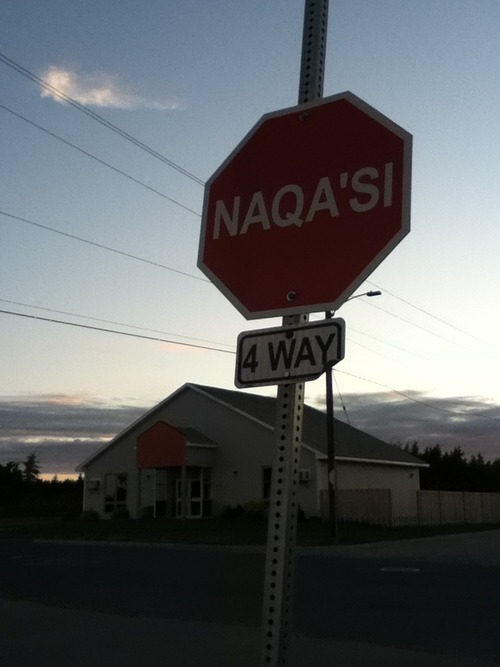
--- Stop signs in three languages: this and this one are endangered, this one isn't. Signage is about the easiest way to give an endangered language exposure where it otherwise would only be spoken at home, if that.

--- De Waarheid over Esperanto en Ido on Project Gutenberg, in Dutch with French translation below. Apparently it's by a member of the committee from way back when Ido was first proposed who preferred Esperanto. The Ido featured in the book is a bit archaic.

--- The first collection of data from Dawn has been made public, a total of 11,000 or so images from Approach, Survey, and High-Altitude Mapping Orbit.

--- The Pontifical Academy of Latinity has now been established. Some of the quotes from the article are pretty interesting, as the revival of Latin is seen by many in the church as being necessary to achieve a certain clarity of thought and to understand church doctrine. Along with that one also gets to read thousands upon thousands of ancient to medieval texts without needing a translation.

--- PressTV seems to like Esperanto.

Read more...

Small link roundup: 1 August 2012

Thursday, August 02, 2012

Five links to share today.

-- An article in German on the Ido Renkontro this year in Dessau, the same place where another renkontro was held back in 1922 - 90 years ago. The same article says there were about 25 people there.

-- An article in French musing on how best to promote French in North America - valorization said to be key, as is often the case in an article of this type. The article notes that 20% of French speakers live outside of Quebec. Quebec is having an election September 9th (Charest announced it today) so expect to see a lot of debate about this. On that note:

-- Another article in French from Quebec, on using English as a working language in Baie-James. Located next to Ontario and with a lot of Cree, how much influence the government in Quebec should have on such an autonomous region is another linguistic issue there.

-- An article in Portuguese also musing about how best to promote the language. This one is pro-orthographic accord.

-- An article in Korean about English and Chinese language camps in Wanju, a county south of Seoul. I've mentioned from time to time that it would be interesting to see if Korea adopts more or less the same approach with Chinese that it has with English, namely a lot of study within the country involving bringing teachers over on visas to teach classes, or whether China's proximity (50 minutes by plane to cities like Qingdao and Dalian) would mean students (or their parents) would simply elect to take the plane ride over to use it in person.

Read more...

New Facebook group for Idists: Idisti

Wednesday, December 28, 2011

A new Facebook group was created yesterday here, and thanks to the way Facebook groups work now it already has a great deal of conversation. The difference between groups now and before is that now a person who creates a group can add members without consulting them. This means that one day you will end up seeing notifications in your email about activity in a group you have never seen before, and this was the case with this one. Notifications can also be turned off, but I prefer to see everything that goes on in the groups I have been subscribed to and prefer more emails to fewer.

Two other new groups that have a good amount of activity: this one for Lingua Franca Nova, and this one for Lingwa de Planeta.

Read more...

Ido gets a mention in the German press

Monday, August 22, 2011

Note: this isn't my upcoming big auxlang announcement.

Ido got a mention in the German press some two days ago in an article here. There isn't any real need to translate any of the article as it is exactly what one expects: Ido is a language to help communication between peoples, it's easy to learn, originally came into being as a reform of Esperanto, etc. The author of the article obviously is not an auxlang supporter (which is good, makes it more of a real article instead of a letter to the editor-type PR piece) since hello in Ido is written there as saludo (it's actually saluto).

The article also says that Ido sounds a certain amount like Italian (true), Ido has no special characters besides the 26 letters of the Latin alphabet (true and good they mentioned that), Ido is spoken by a few thousand people (true as far as I can tell), it's not a language made to suppress other languages but rather encourage language diversity, etc. They also talk a bit about why they chose this year's location in Luxembourg.

There are four comments below the article at the moment: three are from Esperantists promoting Esperanto to anyone who might be listening, and one from an Idist.

Read more...

Number of participants at the 2011 Ido Renkontro: 25

Sunday, August 21, 2011

Some new information on the 2011 Renkontro here: it seems that there is a total of 25 Idists in Luxembourg this year for the conference, slightly more than last time. The countries they are from: Spain, Italy, France, Belgium, Germany, Netherlands, Eritrea, Japan, Sweden, China, and of course Luxembourg.

Read more...

Ido - Luxembourgish dictionary released

Monday, August 15, 2011

On Idolisto an Ido-Luxembourgish dictionary has been uploaded, and group members can download it in the files section. If you're not a member and don't want to be for whatever reason then let me know and I'll send you the pdf.

One reason for this of course is that the Ido-renkontro this year takes place in Luxembourg and having a dictionary of this type is good for PR.

It also includes a few sample sentences at the end:

Me parolas nur poke luxemburgiana. - Ech schwätzen just e bësse Lëtzebuergesch.
Kande arivas la autobuso a...? -- Wéini kënnt de Bus op...?
Me ne komprenas vu bone. -- Ech verstin Iech nët gutt.

...and so on.

Read more...

What's going on in Idolando this summer

Wednesday, August 03, 2011

I haven't written about Ido in quite some time. As the second or third-largest IAL the good thing about Ido is that there is a good amount of activity even if you are too busy with other things for a few months. The smallest major languages (Novial for example) can see their activity easily double with a dedicated user, and reduce to close to nothing if one or two of them become too busy with 'real life' (=money, bills, moving, etc.) to contribute.

Not that Ido is large enough that a dedicated user won't make a difference, mind you.

So what's new?

The first obvious piece of news is the Ido Renkontro this year, to take place in Luxembourg. The renkontro starts on the 17th of August, which is just two weeks from now. I naturally won't be going as it's across the sea and I don't have the time to just take off for a week, desfortunoze. Last time there were some 20+ people in Tübingen (Germany), and with a location about as central as the last I expect there to be about the same amount of participation.

Literature: at least four stories have been published in the past two months. They can be downloaded (pdf) here if you are signed in to Idolisto (Yahoo).

(Ido was the only reason I ever created a Yahoo! account in the first place)

The first one is two stories called Experimento and Sentinelo, written by Frederic Brown and translated into Ido.

Another one is also a translation of the same author, called Terani kun Donacaji.

A third one is called Josh, ocidero di alieni. Science fiction, seems to be humorous, translated.

The last one mentioned here is the longest, also science fiction and translated, called La Nexta, Logikala Pazo.

Read more...

Cosmoglotta 1922 - 1950 all done!

Friday, February 11, 2011

Success! I have now uploaded all the issues of Cosmoglotta up to the end of 1950. I originally went at a rate of one issue per day but we're getting on a plane in the next few days with cats and I wanted to finish everything up before leaving, so I did about one year per day over the past few days and quickly went from the late 1930s to 1950.

Cosmoglotta is a good example of what to do right and what to do wrong when promoting an IAL. Producing a magazine every month or two written entirely in the IAL is a good idea, as is creating literature in Occidental and writing about news at the time. Writing news in an IAL may seem to be an exercise in futility since it ends up just being a translation of something already available in another language, but after a few years or decades it actually becomes quite interesting and sheds a lot of light at the world at the time. On the other hand, writing about other auxiliary languages really comes across as a waste of time. Sometimes it seems that half of Cosmoglotta is about other IALs and why they aren't as good, and pretty much every year you can find an article or two about how Idists are all moving over to Occidental and Ido is pretty much done...and now in 2011 Ido is still one of the big three while Occidental is way, way below.

Occidental is still quite large compared to other IALs, mind you. It's kind of on 'tier three'. Tier one is Esperanto, two is Interlingua and Ido, and on tier three one finds some previously large languages (Occidental, maybe Novial) and some interesting new projects (Lingwa de Planeta, Lingua Franca Nova, maybe Sambahsa in two years at the rate Olivier is going).

Read more...

More than one IAL candidate confuses the League of Nations

Saturday, October 30, 2010

I found a pdf the other day here:

http://ia340914.us.archive.org/2/items/esperantoasinter00leagrich/esperantoasinter00leagrich.pdf

It's a report entitled Esperanto as an Auxiliary Language by the League of Nations, and in spite of the title it's a report that takes a look at the prospect of other IALs as well. Overall the tone of the first few pages of the report (which I've included below) look very much like a discussion on Auxlang: Candidate X is pretty good, Candidate Y might be better but it's smaller, Candidate Z might be best of all but it's really tiny and possibly unstable...the hasty conclusion one might be tempted to arrive at viewing this is that the IAL community needs to focus on promoting one language (Esperanto) but even that won't do it. Why? Because the subject of Latin is always bound to come up.

Also, it appears that too much auxlang shopping has driven our friend Robert Winter mad. Well, not entirely mad, but he regrets spending the past nine months looking at IALs. Hyperbole I'm sure, but as a new entry to the world of IALs his blog is a very good reflection of the state of mind one gets into when comparing one language with another and another, and the negative effect this can have on focusing entirely on one.

I came to a tentative conclusion about this subject a few weeks ago, and I may try to formulate it tomorrow. In the meantime here is the introduction to the report.


Read more...

Italian Città de Cuneo has a lot of information on IALs in the early 20th century

Wednesday, October 13, 2010

Yesterday a Google Alert for Latino sine Flexione surprisingly sent me directly to a pdf that you can see here, an article calling LsF "a sane and ideal common language". I decided to conduct a quick search for more information there and the results for a search for latino sine flexione are here, where there is also quite a bit of good stuff. This message for example sent to Peano in Ido and about LsF says:

Exter Ido, "Latino sine flexione es la mondo-linguo quan me selektus se Ido ne existus; me preferas la principo di Ido, ma, se me judikus kom plu bona la principo di "naturaleso", LsF esus la linguo quan me propagus.

Translation: "Latino sine flexione is the world language I would select if Ido didn't exist; I prefer the principles of Ido, but if I were to judge "naturalness" as the most important principle, LsF is the language that I would promote."

See also a search for ido linguo. There seems to be quite a bit there in a number of languages on IALs, including Italian and French as well.

Read more...

La kinesma (e lasta) parto dil interviuvo pri Ido en Germania, kun tradukuro anke en Sambahsa

Sunday, September 19, 2010

E nun la tradukuro dil interviuvo en la germana pri la Ido-renkontro finigesas! Sen la transskriburo facata da Olivier Simon me ne povis facar to, e la tradukuro aden Sambahsa anke helpus kande me ne exakte komprenis la germana. Komprenende, certe restas multa erori e korektiguri esas bonvenanta.

Por askoltar la interviuvo en mp3 kliktez hike, e yen la altra parti dil tradukuro: unesma, duesma, triesma, quaresma.


DeutschSambahsaIdo
Herr Groth, ganz kurz zum Schluss, aber Sie haben nicht wirklich die Hoffnung, dass sich Ido oder Esperanto jemals wirklich als Weltsprache durchsetzen wird, oder ? realistisch...
Herr Groth, bragv-ye ka conclusion, men habte yu druve-ye id speh od Ido au Esperanto aiwo real-ye se imponsiet ka tienxia bahsa, autah ? realiste...
Herr Groth, tre kurte al fino, ma certe vu ne vere esperas ke Ido od Esperanto sucesos kam mondo-linguo, ka yes? Honeste...
Eh, also vielleicht nicht evolutionär, Schritt bei Schritt, aber kleine Schritte natürlich immer was nach vorne sind, aber manchmal passiert eine Veränderung auch ganz plötzlich;
Eh, maghses ne evolutionar-ye, stieup pos stieup, bet lytil stieups leitent semper lyt perodh, bet yando ubgwehmt un change megschi fujatan;
Eh, forson ne evolucionante(?), pazo pos pazo, ma mikra pazi sempre adportas adavane, ma ulatempe on trovas vere tre subita chanjo;
zum Beispiel konnte sich 1989 im Sommer niemand vorstellen, dass die Mauer plötzlich fällt (...), für die sprachliche Mauer, dass jemand Milliardär auf die Idee kommt, ich investiere mal eine Milliarde Euro, damit jeder die Sprache sprechen kann, sei es Ido oder Esperanto (...) und nach drei Monaten haben wir plötzlich eine Million Sprecher; das wäre möglich (......)
mathalan in lient 1989, nimen ghohd fiker od id Wall fallt stayg (...), protiev id linguistic wall, od id idee gwehmt do sem milliardaire, investo ghi oin milliard om Euros, kay ielganghen ghehdt bahe id bahsa, leita de Ido au Esperanto (...) ed pos tri munts habmos stayg oin million bahtorn; to esiet possible
por exemplo en 1989 nulu povis pensar ke la Berlin-Muro subite krulus, por la linguala muro, se ula miliardero pensus pri to, e spensus un miliardo euro por to, sive Ido sive Esperanto...tri monati pos to ni trovus un miliono parolanti, to esus posibla...

Read more...

La quaresma parto dil interviuvo pri Ido en Germania, kun tradukuro anke en Sambahsa

Tuesday, September 14, 2010

E nun la quaresma parto dil interviuvo pri Ido en la Germana e tradukita aden Sambahsa da Olivier Simon - la triesma parto trovesas hike. Pro la manko di tempo me devos publikar hodie nur mikra tradukuro, do restas ankore la kinesma parto quan me intencas facar morge o posmorge. Me pensis ke la tradukuro bezonus nur quar parti ma la manko di tempo ne ton permisis..


DeutschSambahsaIdo
Herr Groth, ich muss ehrlich gestehen, so richtig verstehe ich immer noch nicht dieses Bemühen um eine Kunst-Weltsprache; es gibt schon eine Weltsprache, Englisch, eine lebende Sprache, die von sehr vielen Menschen gesprochen wird, häufig schauderhaft schlecht, trotzdem reicht es vollkommen zur Verständigung.
Herr Groth, dehlgo honeste-ye itirafe od tem prabh-ye ne bad vifahamo tod strehngen dia un artificial tienxia bahsa; est ja un tienxia bahsa, Englisch, un gwiv bahsa, quod meg pelu mensci bahnt, frequent-ye dekhschatic-ye, lakin id est alnos kafi pro intercomprehension.
Herr Groth, me devas honeste dicar ke me ne tote komprenas ica serchado por artificala mondo-linguo; ja trovesas mondo-linguo, la angla, qua esas linguo vivanta e parlata da tre multe personi, ofte parlata tre male, ma sat bone por interkomprenar.
Es reicht darum, um nach dem Weg zu fragen und vielleicht um einkaufen zu können, aber ich denke, dass wir eigentlich mehr Ansprüche an unsrer Kommunikation haben müssen als nur simple Alltagesfragen zu lösen, und leider ist der Masse der Menschen auch nach vielem Englischunterricht eine tiefer gehende Unterhaltung in einer Fremdsprache mit Menschen anderer Kultur verwehrt. Also das ist zumindest meine Beobachtung und das, was ich unterstreich’ ist, dass wir in der Ido-Bewegung, nicht nur Akademiker haben – die sind sogar eine Minderheit – sondern auch ganz normale Menschen, die nur normale Schulbildung haben, und die trotzdem perfekt diese Sprache sprechen können.
Idghi est kafi, kay prehge de sien itner ed maghses kay ghehde ambhkaupe, bet kehnso, od druve-ye poittmos kupes un alter communication, meis quem kay solve simple cadadiens questions, ed way sont ei masse im menscen forbohdt, hatta pos maung Englisch talim, profunder leitend tolks con menscens alyen culturs. It est bariem mien observation ed to, quo substreicho, est od habmos, in id Ido-movment, ne tik mualims – ti sont hatta un minoritat – sontern yaschi alnos normal menscens, qui hant haben tik un normal scoltalim, yed ghehdent bahe perfect-ye tod bahsa.
Ol esas sat bona por questionar pri la voyo o forsan komprar kozi, ma me pensas ke ni fakte bezonas vere plu multe en nia komunikado kam nur simpla omnadiala questioni, e desfortunoze mem pos multa studiado dil angla la maxim multa personi ne povas acesar profunda konversado kun homi del altra kulturo. Adminime to esas mea observo, e to quon me substrekizas esas, ke ni en la Ido-movado ne havas nur akademiani - li esas mem minoritato - ma vere normala personi, qui havas nur normala edukado, e qui malgre to povas parolar ica linguo perfekte.
Das war genauso, in meiner Zeit, ich spreche noch Esperanto und bewege mich in der Esperanto-Bewegung, dort haben sie also nicht nur Akademiker, mit denen ich sonst im englischsprachigen Raum zu tun habe, also wenn ich als Dozent oder als Vorträger halte auf Englisch, dann sprechen Sie nur mit Akademikern, und eigentlich schliessen sich da die Bevölkerungschichten aus mit diesem Verfahren, die vielleicht nicht fünfzehn Jahre Zeit haben, Englisch zu lernen, und an die Universität zu gehen, von dieser Kommunikation einfach raus, und das ist eigentlich auch nicht richtig, und von Menschen mit sprachlichen Behinderungen möcht’ich erst gar nicht erst reden, zu denen wir dann einfach sagen, dir wird alles zu schwer, du wirst nie Englisch lernen können, die könnten vielleicht eine Plansprache lernen.
Eet lika, in mien zaman, dar bahm Esperanto ed ago in id Esperanto-movment, ter habent i ne tik mualims, con qui sonst deilo in id englischbahdem, yaschi quando lehgo in Englisch ka docent au rapporteur, tun bahte yu tik con mualims, edghi ter se exclude ia populationsgrupps med tod proceddat qua maghses ne habent penkdem yars wakt kay uces Englisch ed gwahe id universitat, ex tod communication mer-ye alnos, edghi to ne est ieust, ed de menscens samt linguistic handicaps ne tolcskwo nun, quim wey tun mer-ye saygmos, tib to hol sessiet pior difficil, tu naiwo ghehdsies uces Englisch, ti ghehdient maghses uces un construct bahsa.
To esas exakta, en mea tempo, me parolas anke Esperanto e laboras anke en la Esperanto-movado, en qua anke trovesas ne nur akademiani, kun qui me parolas en lingui exter la angla, ma kande me uzas la angla kam instruisto o diskursanto, me parolas nun kun akademiani, tale exkludesas personi qui ne studiabas la angla dum forsan dekekin yari en la universitato, e to ne esas justa, e tale kun personi qui havas linguala desfacilesi me tote ne povas parolar; do a ta personi ni dicas ke esas tro desfacila lernar la angla, ma forsan tu povus lernar linguo konstruktita.

Read more...

La triesma parto dil interviuvo pri Ido en Germania, kun tradukuro anke en Sambahsa

Thursday, September 09, 2010

Semblas ke ica tradukuro bezonos quar parti, do un dio restas ante ke ol finigesos. La duesma parto trovesas hike, ed en ta pagino trovesas la unesma. Por plu informajo pri Sambahsa (en la franca e la angla), videz hike.

En la yaro 2008 me skribis kelke pri ica temo, pri kad Ido esas Europa-centrizita o ne, e me ne pensas ke ol esas linguo kam l'altri (Occidental, Interlingua, edc.). Kande me unesme lernis Ido me pensis ke ica linguo tre similesis al altri lingui quin me savis, nome la japoniana e la koreana. Fakte, por me la persiana esas multe plu facila kam la germana, nam la gramatiko esas multe plu simpla e logikoza. Me povas skribar korekte en la persiana, ma en la germana, quankam lektar ol ne esas desfacila, skribar korekte esas tote altra kozo. En la persiana tote ne trovesas la genro gramatikala, e do me nultempe devas pensar pri to kande me olun skribas.

Ma la punto en la interviuvo anke esas vera, ke nun multa personi ja lernas lingui quale la angla, franca edc. e do mem Europa-centrizita linguo, se plu facila kam la nacionala lingui, esus multe plu facila por li. Ula mondo en qua trovesas kelka facila ponto-lingui anke esus vinko por la IAL-i.


DeutschSambahsaIdo
Aber, ich glaube, Sie haben doch eins zumindest gemeinsam, Sie sind komplett eurozentristisch, also von wegen Weltsprache, also afrikanische oder asiatische Sprachen finden sich überhaupt nicht da wieder und wahrscheinlich, es ist für Europäer relativ leicht, jetzt Ido oder Esperanto zu lernen, aber für die Bewohner der anderen Kontinente auf keinen Fall.
Bet, credeihm, yu habte yed oin ject in commun, yu ste alnos eurocentric, edghi dayir un mundbahsa, edschi de african au asiat bahsas ne se trehft in to nel-ye ject ed shayad, est pro Europays nisbatan facil nun uces Ido au Esperanto, bet in neid fall pro i habitants altern continents.
Ma me kredas ke existas un punto komuna, oli esas komplete Europa-centrizita, do quale mondo-linguo tote ne trovesas lingui de Afrika o Asia, lernar Ido od Esperanto esas relative facila por la europani, ma por la habitanti di altra kontinenti tote ne.
Doch. Es ist offensichtlich leichter Ido oder Esperanto zu lernen als Englisch oder Deutsch oder Französisch; wenn der europäische Sprachraum so eine Sprache hätte, und den Leuten von anderen Kontinenten, die als Verständigungsprache anbieten könnte, wäre es für die erheblich leichter einen Chinesen nach Europa zu schicken, der mehrere Länder zu betreuen hat, als wenn er dann Englisch, Deutsch und Russisch sprechen muss,Si. Est okwivid-ye meis facil uces Ido au Esperanto quem Englisch au Deutsch au Franceois; sei id europay bahdem habiet un solg bahsa quod id ghehdiet porge ka intercomprehensionslingua im leuds altern continents, esiet pro ti muhim-ye meis facil yises un Chinese do Europe, qui tehrpt bespehce plur lands, quem sei so dehlct bahe Englisch, Deutsch au Rusk,
No. Lernar Ido od Esperanto esas evidente plu facila kam la angla, germana o franca; se Europa havus tala linguo e povus ofrar ol a personi de altra kontinenti kam ponto-linguo, esus vere plu facila por ula Chiniano irar ad Europa, funcionar en multa landi, plu facila kam se lu devus parolar la angla, germana e la rusa,
also insofern hätten diese auch Vorteile, aber natürlich, Sie haben recht, es ist insofern eine eurozentristische Sprache, weil sie die lateinische, zusammen mit dem indogermanischen Sprachraum eindeutig natürlich bevorzugt; aber wir haben eine solche Sprache auch zum Beispiel in Ost-Afrika, Kiswahili, eine Verständigungsprache die auch ohne deutsche oder, eh, europäische Wortwurzeln zum grossen Teil auskommt, und auch dort haben wir den Vorteil, dass wir nicht mehr von hundert Stämmen, die es dort gegeben hat, die Sprache lernen müssen, sondern das Kiswahili, und man kann in Ost-Afrika sich miteinander sehr gut verständigen.also tischi brungient tosmed vantages, men naturelika, yu saycte prabh, to mant un eurocentric bahsa, ob id favoriset bfuaymey-ye latin, con id hol hindeuropay bahdem Men habmos un solg bahsa yaschi mathalan in Eustafrica, Kiswahili, un intercomprehensionslingua quodschi tekhnasst aun deutsch au, eh, europay werdraudhs in mier part ed terschi habmos id vantage od neti tehrbmos euces id bahsa om cent teuts qua eent ter, sontern Kiswahili, ed anghen ghehdt meg suaprete mutu. do oli havas tala avantaji, ma naturale vu esas justa ke ol esas Europa-centrizita linguo, nam ol preferas la latina ed Indo-Europana lingui; ma por exemplo on trovas tala linguo anke en Est-Afrika, la Kiswahili, en qua maxim ofte ne trovesas vorto-radiki dal germana o europana lingui, e kun to ni havas la avantajo ke ni ne ja devas lernar cent lingui trovata ibe, ma nur Kiswahili kun qua on povas interkomprenar tre bone en Est-Afrika.

Read more...

Interesanta deskovrajo: "Suisiana Lakto-Chokolado Toblerone" skribita en Ido

Wednesday, September 08, 2010

En la reto on povas trovar exempli di Ido skribata en Toblerone-chokolado, nam en la unesma yari pos la kreo di Ido la fundanto dil kompanio Toblerone, Theodor Tobler (qua esis idisto), kreis multa produktaji en qua skribesis e promulgesis Ido.

Hike on trovas un exemplo di to.

Hiere, danko a Google Alerts me trovis skribajo en ula blogo qua anke esis pri Ido ed ica Toblerone-produktaji. La skribero di ta blogo laboras en libro-brokanterio, e hiere unesme vidis atencoze to quo skribesis en ula produktajo, magiala kubo quon on povas chanjar por krear multa imaji. Ed un de ta imaji esas viro qua aspektas quale Santa Nikolas, ma prenante Toblerone-chokolado e docante pri Ido. La skribero di ta blogo ne esas idisto, e do me rekomendas skribar en lua blogo por monstrar ke Ido ankore vivas, e vivas bone. Il skribis ke "ol aspektas quale linguo tre acesebla, quamkam kun forta fundamento latinatra."

Pos ke me skribis komento en la blogo, il kreis video pri la kubo por plu bone monstrar ol. Yen la video:


Cetere, me intencas finigar la triesma parto dil interviuvo en la germana pri la Ido-renkontro en Tübingen. Yen la duesma parto, se vu ankore ne olun lektabas.

Read more...

La duesma parto dil interviuvo pri Ido en Germania, kun tradukuro anke en Sambahsa

Sunday, September 05, 2010

E nun la duesma parto dil interviuvo (mp3 hike) en la germana pri la Ido-renkontro en Tübingen, tradukita aden Sambahsa ed Ido. La unesma parto esas hike.

And now the second part of the interview (mp3 here) in German on the Ido-renkontro in Tübingen, translated into Sambahsa and Ido. The first part is here.


Deutsch
Sambahsa
Ido
Wenn ich Sie richtig verstanden habe, Herr Groth, dann halten Sie trotzdem Ido für eine vereinfachte und verbesserte Version des Esperanto, die Paar Beispiele, die Sie vorhin gegeben haben, bona jorno, wenn ich mich recht entsinne, das klingt sehr italienisch, um nicht zu sagen lateinisch geprägt, ist es richtig?

Sei vos ho prabh-ye fahamen, Herr Groth, tun ayte yu lakin Ido un simplifiet ed kayjint version os Esperanto, ia pauk exempels, qua yu habte dahn prever, bona jorno, sei prabh-ye mehmo, to swehnt meg italian, kay ne sayge latin-prect, est to prabh?

Se me komprenas vu bone, Herr Groth, vu vidas Ido kam plu simpla e plubonigita tipo di Esperanto, de la kelka exempli quin vu donabas, "bona jorno", to aspektas tre quale la italiana, mem quale la latina, ka to esas justa?

Ja, also, Ido, wie das Esperanto, aus dem es entstanden ist, verzichten eigentlich darauf, wirklich eine Universalsprache zu machen, die dann so verfremdet ist, dass sie niemand mehr erkennt, also wenn man aus allen Sprachen der Welt etwas zusammenmischen würde, dann hätte niemandem Vorteilaufkommen, denn die Paar deutsche Wörter, die wir dort vielleicht finden würden, würden auch nicht weiterhelfen.

Yaghi, Ido, kam Esperanto ex quod id buit gohnen, tyehgve effective-ye makhe un tienxia bahsa, quod tun est tem tarnienihn, quem neti anghen rekehgnet id, tun sei anghen mixiet semject ex vasya mundbahsas, tun brungiet nimen to, iaghi pauk deutsch werds, qua trehviemos ter maghses, neti khakient nahehlpe.

Yes, Ido, quale Esperanto, de qua ol developesis, renegis la ideo di krear vera universala linguo quan nulu povus konocar, do se on mixus omna lingui dil mondo kune, por ke nulu havus avantajo, tale la kelka germana vorti, quin on forsan trovus ibe, nule helpus.
Das heisst, diese Sprache, das Ido, hat es konkreter gemacht, es gibt sechs Wortbildungsprachen, das Russische, das Englische, das Deutsche, das Französische, das Spanische, das Italienische, und aus diesen Sprachen wird versucht die Wortwurzeln herauszuextrahieren und dann wird gekuckt ob das geht, ob es sich nicht mit andern Wörtern zu Konflikten führt, und dann wurden diese Wortlisten gemacht,
To maynt tod bahsa, Ido, hat concreter act, sont six werdsurcenbahsas, rusk, englisch, deutsch, franceois, espaniol, italian, ed ex ta bahsas est piten extrage ia werdraudhs ed dind est chohxen an to leit, an to ne duct ad conflicts con alya werds, ed tun buir makht ta werddaftars,

To signifikas ke ica linguo, Ido, facabas ol plu konkrete, en Ido on trovas sis vortifado-linguo, la germana, la angla, la franca, la hispana, la italiana, e de ica lingui trovesas la radiki, qui esas explorata kad existas konflikto kun altra vorti, tale kreesas la vorto-listi,
und die sind zum grossen Teil diesen des Esperanto sehr ähnlich, wo Herr Samenhof mehr oder weniger intuitiv diese Methode hervor angewendet hat, aber ich hatte schon auf ein Paar augenfällige Probleme hingewiesen; der, natürlich, die Arbeit nicht fertig stellen konnte, ich meinte, es wäre von einem Menschen zuviel verlangt gewesen; und all die Idisten haben sich da hingegen unterschieden, dass sie auch die Sprache versucht haben, zu perfektionieren, bevor sie sie zusammen der Welt anbieten,
ed pleista sont meg samlik tibs os Esperanto, quer Poti Zamenhof meis au minter intuitive-ye hat prever nudt tod methode, bet io hieb ja dapihn attention ep pauk visible problemes; so, naturelika, khiek parakape id wehrg, mayno, to esiet est kupes pior ud oin mensc; ed vasyi Idistes se habent ter punor enderkwiten, dat ischi habent piten perfece id bahsa, pre comoffere id ei Mund,
e li esas tre simila a ti di Esperanto, en qua S. Zamenhof plu o min intuicale aplikis (ta metodo), ma me mencionis kelka problemi pri to; do naturale, la laboro ne esis kompleta, quon me volas dicar es ke tro multe postulesis por nur un homo; e la Idisti diferis, uzante la linguo li volis olun perfektigar ante ke li propozos ol al mondo,
während die Esperantisten gesagt haben, die Sprache muss sich erst durchsetzen, und kann dann verbessert werden. Sie haben eigentlich mehr Angst gehabt vor Spaltereien und sagen, OK, das ist vielleicht nicht das beste, aber wird man dies verzeihen und dann springen uns die Leute ab. Das sind zwei unterschiedliche Philosophien des Herangehens.menxu i Esperantistes habent saygen, id bahsa dehlct preter se impones, ed maght dind ses kayjint. Habent ghi bilhassa bayt dissensions ed saygent, OK, kad tod ne est id gohdst, bet to est indulgen ed i leuds prijoinent nos. Ta sont dwo different philosophias ios proschleiten.dum ke l'Esperantisti dicis ke la linguo unesme devas sucesar, pos ke on povus plubonigar ol. Li timis la posibleso di skismo e dicis ke bone, forsan ol ne esas lo maxim bona, ma on devas pardonar to e montrar ol a la homi. To esas la du diferanta filozofii.

Read more...

La unesma parto dil interviuvo pri Ido en Germania, kun tradukuro anke en Sambahsa

Saturday, September 04, 2010

Ido: Hiere me questionis a mea amiko e la kreanto di Sambahsa Olivier Simon kad il interesus pri tradukar la recenta interviuvo pri Ido (mp3) de la germana aden Sambahsa, nam il tre bone parolas la germana e se me povas vidar ol en la germana (ed en Sambahsa) me plu facile povus facar la tradukuro aden Ido. Olivier quik tradukis la interviuvo, e do me komencis hodie la tradukuro aden Ido. Ma me ne parolas la germana fluente e la tradukuro do ne esas perfekta...se vu savas la germana ed Ido, videz la tradukuro e dicez ube on trovas problemi kun la tradukuro. La duesma e triesma parti aparos en la venonta dii.

English: Yesterday I asked my friend and the creator of Sambahsa Olivier Simon if he'd be interested in translating the recent interview on Ido (mp3) from German into Sambahsa, as he speaks German very well and if I can see the interview in German (and in Sambahsa) I can more easily translate it into Ido. Olivier translated the interview right away, and thus I began the translation today into Ido. But I don't speak German fluently and the translation isn't perfect...if you know German and Ido then take a look at the translation and tell me where the translation has problems. The second and third parts will appear in the coming days.


Deutsch
Sambahsa
Ido
Ido, das ist eine sogenannte Plansprache, wie das Esperanto, zum Beispiel.
Ido, tod est id nam uns construct bahsa, kam Esperanto, mathalan.
Ido, to esas nomo di linguo konstruktita, kam Esperanto, por exemplo.

Geschaffen wurde Ido bereits im Jahre 1907.

Ido buit creet in 1907.
Ido kreesis ye 1907.
Die deutsche Ido-Gesellschaft wurde allerdings 1960 gegründet. Zu ihren Mitgliedern zählt Dr. Detlef Groth, der gerade auf dem in Tübingen tagenden Europäischen Ido-Treffen auch als Referent auftritt.
Yed buit id deutsch Ido-Societat sult in 1960. Bayna ids members se contet Dr. Detlef Groth, quischi act chiowdeo ka referent unte id Europay Ido-Samghat in Tübingen.
Ma la Germana Ido-Societo fundeses ye 1960. En sua membri inkluzesas Dr. Detlef Groth, qua agas en la Europala Ido-Renkontro en Tübingen kam parolanto.
Guten Tag, Herr Groth.

Ja, Bona Jorno, Guten Tag.

Bona Jorno heisst “Guten Tag” auf Ido.

Ja, auf Ido war das.

Und, Deutsche Ido-Gesellschaft ?

Die Deutsche Ido-Gesellschaft ?

Auf Ido ?

Germana Ido-Societo.

Haben Sie eigentlich einen deutschen Akzent, wenn Sie Ido sprechen ?
Sellamat, Herr Groth.

Ya, Bona Jorno, Sellamat.

Bona Jorno maynt “sell dien” in Ido.

Ya, to eet in Ido.

Ed Deutsch Ido-Societat ?

In Ido ?

Germana Ido-Societo.

Kwe yu habte un deutsch accent, quando yu bahte Ido ?
Bona jorno, Herr Groth.

Yes, Bona Jorno, Guten Tag.

Bona Jorno signifikas "Guten Tag" en Ido.

Yes, to esis en Ido.

E la Germana Ido-Societo?

La Germana Ido-Societo?

En Ido?

Germana Ido-Societo.

Ka vu havas acento, kande vu parolas en Ido?
Wahrscheinlich Ja. Das lässt sich nicht vermeiden, das ist aber auch nicht weiter schlimm, weil... man spricht sich nach einigen Tagen ein, und ... nach wenigen Stunden ein, und da klappt die Verständigung sehr gut, und man kann die Besonderheiten bei anderen annehmen und verstehen.

Jetzt versuche ich mich mal an Ido und Sie sagen wie es war. Ad omna populo sua propra linguo e duesma komune por omni. Na ?

Das war perfektes Ido. Ein bisschen stockend aber das ist normal.
Shayad ya. Anghen khact vergihes to, men to neschi est khak ob... anghen se repeteiht unte oik diens ed... pos pauk hors, ed tun meg suawehrct id preten, ed anghen ghehdt accepte ed prete ia kweitus altern.

Nun peito io bahe lyt Ido ed yu mi saycte kam to eet. Ad omna populo sua propra linguo e duesma komune por omni. Tun ?

To eet perfect Ido. Lyt kwehlpend bet to est normal.
Forsan yes. On ne povas evitar to, ma to ne divenas problemo, nam...on parolas dum dii, dum hori, ed on povas komprenar, ed on povas aceptar e komprenar la traiti dil altri.

Nun me probas unfoye en Ido e vu dicez a me quale to esis. "Ad omna populo sua propra linguo e duesma komune por omni." Lore?

To esis perfekta Ido. Kelkete haltanta ma to esas normala.
Ja, das ist mein erster Versuch auf Ido. Die Übersetzung sollen wir nachliefern, die ist nämlich wichtig, weil sie das Ziel ganz gut beschreibt, also : “Jedem Volk seine eigene Sprache, und eine zweite gemeinsame für alle”.
Ya, to eet mien prest peiten in Ido. Tehrbmos dadwe id tarjem, tod ghi est important, ob id meg suadescript id ziel, also: “Ielgi Folk idsi wi bahsa, ed un dwot commun quantims”.
Yes, to esis mea unesma probo en Ido. Ni provizos traduko, qua esas tre importanta, pro ke ol tre bone montras la skopo: "Ad omna populo sua propra linguo e duesma komune por omni."
Ja, das ist por omni. Für alle.

Herr Groth, wieviele Menschen sprechen denn Ido ?

Ja, das sind nicht viele, das sind vielleicht einige Tausende, man kann es nicht genau bestimmen, weil es natürlich keine Volkzählung dazu gibt. Viele sprechen es auch mal, und sind dann nicht mehr aktiv. Also, das kann man nicht konkret sagen, aber es sind bestimmt einige tausend, die das sprechen. Auf jedem Fall mehr, als mal ein Gesprächpartner immer gebrauchen kann, man findet immer jemand, mit dem er sprechen kann.
Ya, to est por omni. Quantims.

Herr Groth, quaytghi leuds bahnt Ido ?

Ya, ne sont maungs, maghses oik tusents, to khact ses exact-ye bestohmen, ob ne est naturelika ardhem de to. Maungs ghehde bahe id yando, bet neti sont active. Also, khakmos sayge to concret-ye, bet sigwra sont oik tusents, qua bahnt id. In quant fall meis, quem un interlocutor maght naudhe, anghen trehft semper semanghen con quel el maght tolke.
Yes, to esas "por omni". Por omni.

Herr Groth, quanta personi parolas Ido?

Ne esas multa, forsan kelka mili, on ne povas savar to exakte nam ne existas civitanala kontadi pri to. Multa parolas ol kelkafoye, e ne plu esas aktiva. Do, on ne povas dicar to konkrete, ma certe existas kelka mili qui parolas ol. Irgakaze, kande on bezonas linguo-partenero, on povas sempre trovas ulu kun qua on povas parolar la linguo.
Gut, aber eine zweite gemeinsame Sprache für alle Völker, das sind Sie seit 1907 nicht wirklich so vorangekommen, oder, ein paar tausend.
Gohd, men un dwot commun bahsa pro quantens, prosch to yu ne habte druve-ye gwohmt pon 1907, ploisko pauk tusents.
Bona, ma duesma linguo por omna civitani, qua de 1907 ne progresabas multe, nur kelka mili.
Das ist richtig, und das ist auch Schade, weil die Probleme, die wir auf sprachlicher Seite haben, dass wir nicht über eine Verständigungsprache verfügen, wo wir auf gleichberechtigter Grundlage miteinander kommunizieren können, die sind ja nicht kleiner, sondern eher grösser geworden, seit dieser Zeit; damals hatte man noch ein gewisses Gleichgewicht an Sprachen; es gab das Deutsche, das Französische auch als Konferenzsprachen; heute es ist recht einseitig, und das ist nicht immer wünschenswert und widerspricht dem Grundsatz der Gleichberechtigung.
To est ver, ed sayang yaschi, ob ia problemes, qua habmos ep id linguistic plan, dat ne behandmos un intercomprehensionslingua, quosmed ghehdmos communie egalitat-ye, ta ne hant bihn lyter, sontern anter meger pon tod zaman; prevst hieb wey dar un certain tula de bahsas; eent id deutsch, id franceois yaschi ka conference bahsas; hoyd to est alnos unilateral, to ne est semper vanschim ed contradict id prabhil ios egalitat in rects.
To esas vera, e to esas desfortunoza kozo, nam la problemi trovata en linguo, esas ke ni ne havas interlinguo, ube ni povas komunikar egale, problemi qui ne mikreskas ma grandeskas kun la tempo; en ta tempo (en la anciena tempo) trovesis egaleso inter la lingui, trovesis la germana e la franca kom konfero-lingui; nun esas un-latera, e to ne esas dezirinda e kontredicas la principi di egaleso.
Also ein paar tausend, muss ich jetzt sagen, hat mich doch fast überrascht; ich habe gelesen, dass auf der Ido-Konferenz 2004 in Kijev, also gerade mal sechs Jahre her, habe es vierzehn Teilnehmer aus sechs Ländern gegeben und dachte ich, dann stirbt aus jetzt auch das Ido.
Hatta pauk tusents, dehlgo io nun sayge, me hat yed quasi surpriden; ho list, od unte id 2004 Ido-Conference in Kiev, yani just six yars auser, habent wohst quardem participants ex six lands ed io mohn, yaschi Ido est mehrnd.
Do kelka mili, me devas dicar, tre surprizis me; me lektis ke en la Ido-Renkontro 2004 en Kiev, sis yari antee, esis dek-e-quar partoprenanti de sis landi, e me pensis ke Ido ja mortas.
Hmm, ja die Zahlen, es sind diesmal mehr Teilnehmer, aber nicht soviel mehr als vielleicht zwei Dutzend aus fünf oder sechs Ländern, und dann auch mal aus China, haben sich nicht gross verändert; insgesamt es sind nach wie vor einige tausend, aber sie sind jetzt aktiver, weil das Internet auch neue Möglichkeiten bietet, miteinander zu kommunizieren, also man kann die Sprache tatsächlich anwenden; und Ido ist nicht so weit weg von Esperanto; man kann Esperanto-Texte mit ein bisschen Mühe, mit ein bisschen gutem Willen kann man sie sehr gut lesen und übersetzen.
Hmm, ya, ia numers, ye tod ker sont meis participants, bet ne meg meis quem maghses dwo douzens ex penk au six lands, ed yedschi ex China, ne habent meg changen ; in hol sont zowngschie oik tusents, bet sont nun activer, ob Internet yaschi ananct nov possibilitats kay communie con mutu, tosmed ghehdt anghen nudes effective-ye id bahsa ; ed Ido ne est meg piern ud Esperanto ; anghen ghehdt Esperanto-textes med lyt effort, med lyt khalalia anghen ghehdt meg sualises ed suatarjmes ia.
Hmm, yes, la nombro, icafoye esas plu multa partoprenanti, ma ne plu kam dua-dekeduo de kin o sis landi, anke de China, ne chanjesabas multe; totale es ankore trovata kelka mili, ma li esas nu aktiva, pro ke la interreto donabas nova posiblesi por komunikar inter ni, do on povas vere uzar la linguo; ed Ido ne esas tre fore de Esperanto; on povas bone lektar e tradukar texti en Esperanto nur kun mikra desfacileso.
Ich habe gelesen, Herr Groth, dass das Ido aus dem Esperanto entwickelt wurde, das zwanzig Jahre älter ist noch als Ido... Also reicht nicht diese eine Kunstsprache Esperanto, die nun auch kaum jemand wirklich spricht ?
Ho list, Herr Groth, od Ido buit antplohcen ex Esperanto, quod est eti dwogimater quem cid…Tun, neghi est kafi tod artificial bahsa Esperanto, quodschi payn semanghen druve-ye baht ?

Me lektabas, Herr Groth, ke Ido developesis de Esperanto, qua esas duadek yari plu anciena kam Ido...do ka ne esas sufica ica artificala linguo Esperanto, olqua anke nun tre poke parolesas?
Es wurde am Ende des XIXten Jahrhundert entwickelt, es war ein genialer Entwurf, eine Plansprache, die sehr schnell sehr starke Verbreitung gefunden hat, und die Wissenschaft, und die Politik, und die Kultur waren zu grossen Teilen bereit, sowas anzunehmen, es hat sich damals eine breite Bewegung für die Etablierung einer solchen Plansprache entwickelt, und diese Bewegung hat erst auf Ido gelegen hervorgegangen, sie haben das Esperanto genommen, und einige Verbesserungen dort vorgeschlagen, zum Beispiel, das augenfälligste ist, das Ido keine Sonderzeichen kennt, das Esperanto hat sechs Buchstaben, die nicht im lateinischen Alphabet vorkommen, die auf keiner Komputer-Tastatur der Welt zum Beispiel zu finden (????) , das sind nur die ersten augenfälligsten Probleme, was man beim Esperanto hat; Ido vermeidet also einige dieser Probleme; damals sind sehr viele Linguisten zum Ido übergewechselt, man sagte damals, ein Esperanto ist eine Sprache ohne Linguisten, und Ido ist eine Sprache mit Linguisten aber ohne Sprecher; da ist in gewisser Hinsicht was wahres dran; es gab zwar prominente Unterstützer wie zum Beispiel Wilhelm Oswald, der sein Leben lang fürs Ido gearbeitet hat, und auch ein Teil seines Geldes für den Nobel-Preis in Chemie für die Ido-Bewegung investiert hat, sag’ ich mal, aber letzt endlich hat sich Esperanto eigentlich... ist weiter verbreitet; vieles kann man gar nicht vergleichen, zum Vergleichniss vom Englischen zum Esperanto wie vom Esperanto zum Ido.
Id buit antplohct ye id end ios XIXt secule, tod eet un genial project, un construct bahsa, quod hat trohven meg oku un baygh akster expansion, ed science, politique ed culture eent in megil part parat ad accepte semject kam to, prevst hat antslohnken un platu movment pro id establiement uns talg bahsa, ed tod movment hat inkapt surrege pon Ido, habent emen Esperanto ed proposen ter oik kayjins, mathalan, id visiblest est od Ido ne gnoht diacritics, od Esperanto hat six buksteivs, qua ne prehpe in id latin alphabet, qua mathalan khake ses trohft ep ielg computer-claviature tienxia (…); ta sont tik preter visiblest problemes qua anghen hat bi Esperanto; itak vergeiht Ido oiks ex ta problemes; prevst habent maung linguistes joinen Ido, eet prevst-ye saygen, od od Esperanto est un bahsa aun linguistens, ed Ido est un bahsa samt linguistens bet aun bahtors; est in un certain proportion semject ver in to; naam eent pauk prominent stehmers kam mathalan Wilhelm Oswald, qui unte sien hol gwit hat wohrgen pro Ido, edschi hat invest un part sienen denars ex sien chemia Nobel-pris in id Ido-movment, saygo io, men bad hat se Esperanto druve-ye… est wayterspohrt; Maung khact ses comparet inter Englisch Esperanto, inter Esperanto ed Ido.
Ol developesis ye la fino dil 19ma yarcento, esis injenioza projeturo, linguo konstruktita, qua quik trovis multa distributado, e cienco, e politiko, e kulturo esis en granda parto pronta por aceptar ulo kam ico, ed ica movado unesme venis de Ido, li prenis Esperanto, e sugestis kelka pluboniguri, por exemplo, lo maxim evidenta esas ke Ido havas nula specala literi, Esperanto havas sis literi qui ne trovesas en latina alfabeti, qui ne trovesas por exemplo en irga komputoro-klavaro, to esas nur la maxim evidenta problemi; en ta tempo esis tre multa linguisti qui movis su ad Ido, en ta tempo on dicis ke Esperanto esas linguo sen linguisti ed Ido esas linguo kun linguisti ma nula parolanti; to esis vera en irga sento; e trovesis ya por exemplo eminenta apoganti kam Wilhelm Oswald, qua laboris tra sua vivo por Ido, e qua kolokis parto di sua pekunio del Nobel-premio en kemio por Ido, ma fine Esperanto esis...plu extensita; on povas komparar ol kun la angla ad Esperanto, qua esas quale Esperanto ad Ido.

Read more...

Kelka maestroverki dil moderna liriko Araba now all typed up

Saturday, August 28, 2010

Over the past few days I've been typing up a document from here, a collection of Arabic poems and (very) short stories translated into Ido from 1926. They're actually quite good, and I wonder if perhaps recording them (Ido voice, Ido text on screen, English subtitles that can then serve as a base for Google Translate into all the other languages it provides) would be a good idea. Also, now that it's 2010 it shouldn't be hard to find the original Arabic poems either, and those would serve very well as example phrases from Arabic to Ido.

There are certainly some typos in the text too, so let me know what you notice.


MONDO-BIBLIOTEKO V.

KELKA MAESTROVERKI
DIL
MODERNA LIRIKO ARABA

TRADUKITA DA RAFAEL NAKHLA S.J.
DIREKTERO DIL ARABA STUDII EN L'UNIVERSITATO
SANTA JOSEF EN BEIRUT (GRANDA LIBANO)

EDITERIO P. AHLBERG

P. AHLBERGS BOKFÖRLAG,
STOCKHOLM
1926.

Imprimerio Ed. NIMAX, Luxemburg.


PREFACO DI LA TRADUKINTO.

La Proxim Oriento Arablingua, precipue Egiptia, Palestina, Libano e Siria (1), esas mondo-famoza, kom ex-centro di la maxim antiqua civilizeso, e kom nuna grandega muzeo de antiquaji. De la maxim fora landi, quale Usa, Brazilia, Arjentinia, Chinia, Japonia, Australia, la turisti venas omnayare milope, por vizitar e admirar ta nekomparebla muzeo. Mem ti qui ne havis la feliceso vidar Oriento par la korpal okuli, vidis ol per l'okuli dil anmo, lektante la libri historiala, a la naraci dil voyajeri, o l'artikli di la revui.

Same kam pri la civilizeso generale, eventas pri l'Araba literaturo specale; me volas dicar ke la Proxim Oriento Arablingua judikesas dal Europani ed Amerikani, kom *nura* muzeo de antiquaji. Depos yarcenti, erudita Orientalisti dil tota mondo trairas omnadirecione ta nemezurebla muzeo. Per longeg e penoza serchadi, ili sucesis deskovrar, en olua maxim fora anguleti, centi e centi de manuskripti precoza, qui jacas depos yarcenti, tote celit en lia etuyo de dika polvo. Ili lektis e rilektis milfoye ta verki; ili editis e rieditis oli; ili tradukis e ritradukis oli a la maxim importanta lingui. Singlamonate ekiras de l'imprimerii Europan ed Amerikana plura tala edituri e tradukuri.

To omna esas sendube granda glorio por la Proxim Orienta Arablingua, ma to esas samtempe granda desfortuno! Nam, judikante lu, pri literaturo, kom muzeo de antiquaji, nur kom tala, la civilizita nacioni nule sorgis pri explorar e konocar la belaji, advere poka ma ver e granda, di la nuntempa literaturo Araba. La marveloza richaji di dia ancestri deturnis ili de la konoco di nia propra richaji!

Por esar yusta, me devas deklarar ke la tota kulpo ne gravesas nur sur l'eruditi di Europa ed Amerika. Ni ipsa, Proxim-Orientani, esas multe plu grave kulpoza, nam ni facis preske nur esforco por konocigar ed admirigar dal tota mondo civilizata la trezodi di nia moderna literaturo. E pro ke ni ipsa konocas e prizas oli plu multe kam irg altra naciono, nia kulpo esas neexkuzeble granda!

Esante pasionoz admirero di nia literaturo nuntempa, precipue di nia poezio, me judikis ke mea devo, kom bon Orientano, esas utiligar nia bel e richa linguo internaciona Ido, por deskovrar, per la maxim simpla moyeno, nia nekonocata trezori kulturala, a mili de mea estimata samideani. Me intencis nur publikigar, en la revuo MONDO, kin o sis tradukuri di maestroverki di nia poezio moderna. Tre felice por nia nekonocata literature, ta kelka tradukuri multe plezis a la granda pioniro dil movado Idala e redaktero di MONDO, mea kar amiko Sioro Ahlberg. Il pregis me plurafoye ed insiste prokurar ad il suficanta nombro de samspeca tradukuri, por editar broshureto 48-pagina, en la mikra biblioteko di MONDO.

Read more...

  © Blogger templates Newspaper by Ourblogtemplates.com 2008

Back to TOP